


Maximize Efficiency with an Automated Follow-Up Benefits System
- Mar 26
- 3 min read
In today’s competitive service-based market, generating leads is only half the battle. The real challenge lies in converting those leads into paying clients. If you’re relying on manual follow-ups, you’re leaving money on the table. An automated follow-up benefits system can transform your lead management process, ensuring no opportunity slips through the cracks. This post will guide you through why automation is essential, how it boosts your business, and practical steps to implement it effectively.
Why Automated Follow-Up Benefits Your Business
Follow-up is the backbone of any successful sales process. Yet, many businesses struggle to maintain consistent communication with prospects. Here’s why automated follow-up benefits your business:
Consistency: Automation ensures every lead receives timely and relevant communication without fail.
Speed: Immediate responses increase engagement rates and reduce the chance of leads cooling off.
Personalization at Scale: Modern tools allow you to tailor messages based on lead behavior and preferences.
Resource Efficiency: Free up your sales team to focus on closing deals rather than chasing leads.
Data-Driven Insights: Track engagement and optimize your messaging based on real-time analytics.
For example, a home service company using automated follow-ups can send appointment reminders, service tips, and special offers without lifting a finger. This keeps the brand top-of-mind and nurtures leads until they’re ready to convert.

How to Automate Generating Leads?
Generating leads is the first step, but automating this process can supercharge your pipeline. Here’s how you can automate lead generation effectively:
Leverage Paid Advertising
Use targeted ads on platforms like Google and Facebook to attract qualified prospects. Set up conversion tracking to measure ROI.
Optimize Your Website for Conversions
Implement clear calls-to-action, lead capture forms, and chatbots to engage visitors instantly.
Use AI-Powered Chatbots
Chatbots can qualify leads 24/7, answer common questions, and schedule appointments automatically.
Create Valuable Content Offers
Offer downloadable guides, checklists, or webinars in exchange for contact information.
Integrate CRM and Marketing Automation Tools
Connect your lead sources to a CRM that triggers automated workflows for follow-up and nurturing.
By automating lead generation, you create a steady stream of prospects entering your sales funnel without manual effort. This foundation is critical before implementing an automated follow-up system.
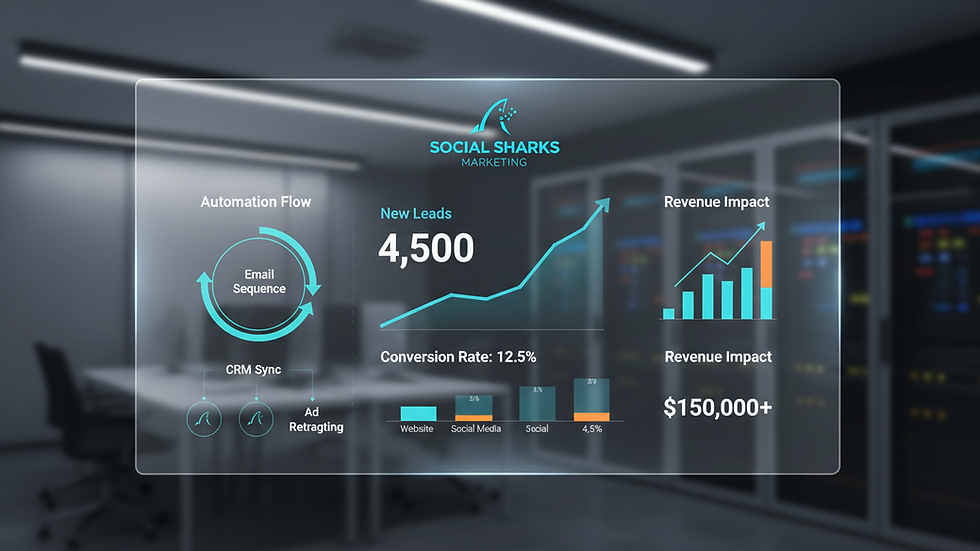
Building a Scalable Automated Follow-Up System
Once you have leads flowing in, the next step is to build a scalable system that nurtures and converts them. Here’s a step-by-step approach:
Step 1: Segment Your Leads
Not all leads are the same. Segment them based on source, behavior, or service interest. This allows you to send targeted messages that resonate.
Step 2: Map Out Your Follow-Up Sequence
Design a sequence of emails, texts, or calls that guide leads through the buyer’s journey. Include educational content, testimonials, and clear calls-to-action.
Step 3: Choose the Right Automation Platform
Select a platform that integrates with your CRM and marketing tools. It should support multi-channel communication and provide analytics.
Step 4: Personalize Your Messaging
Use dynamic content to insert lead-specific details like name, location, or service interest. Personalization increases open and response rates.
Step 5: Monitor and Optimize
Track open rates, click-throughs, and conversions. Use this data to refine your messaging and timing for better results.
Implementing these steps ensures your follow-up process is not only automated but also strategic and effective.
Measuring the Impact of Automated Follow-Up Benefits
To justify your investment, you need to measure the impact of your automated follow-up system. Focus on these key performance indicators (KPIs):
Lead Response Time: How quickly are leads contacted after initial inquiry?
Engagement Rates: Open rates, click-through rates, and reply rates on follow-up messages.
Conversion Rate: Percentage of leads that become paying customers.
Customer Acquisition Cost (CAC): Total marketing spend divided by the number of new customers.
Customer Lifetime Value (CLV): Revenue generated from a customer over time.
For instance, a legal consultant might see a 30% increase in booked consultations after implementing automated follow-ups, while reducing lead response time from hours to minutes.
Regularly reviewing these metrics helps you identify bottlenecks and opportunities for improvement, ensuring your system delivers measurable growth.
Next Steps to Maximize Your Lead Follow-Up Efficiency
If you’re ready to take your lead management to the next level, start by evaluating your current follow-up process. Identify gaps where leads fall through and explore automation tools that fit your business needs.
Remember, an automated lead follow up system is not just a tech upgrade - it’s a strategic investment in predictable revenue growth. By combining automation with personalized communication, you’ll increase close rates, improve customer experience, and scale your business efficiently.
Start small with a pilot program, test different messaging sequences, and expand as you see results. With the right approach, you’ll build a reliable client acquisition pipeline that fuels long-term success.


This blog really highlights how crucial consistent follow-ups are, especially in today’s fast-paced digital space where people get distracted easily. I’ve noticed that without some form of automation, it’s incredibly easy to miss opportunities or let potential leads go cold. The idea of using automated systems to maintain engagement while saving time makes a lot of sense, particularly for small teams or individuals juggling multiple responsibilities. It also reminds me of how students manage deadlines—tools that act like a coursework helper can make a big difference in staying organized and ensuring nothing slips through the cracks. What stood out most was how automation doesn’t replace the human touch but actually supports it by handling repetitive tasks, allowing more focus on…